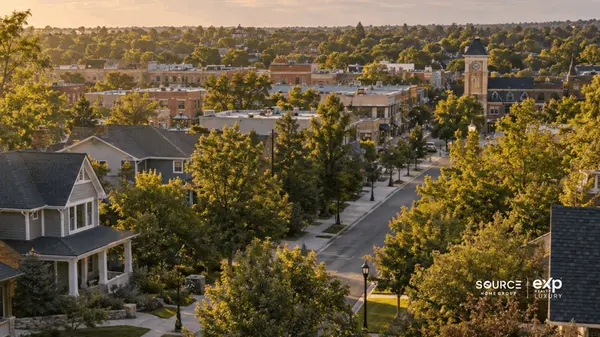
Moving to Littleton Colorado Guide: Start Here

Moving to Littleton, Colorado is not just a change of address—it is a shift in cost of living, commute, schools, outdoor access, and daily pace. Littleton blends small‑town Main Street charm with big‑city proximity and higher‑than‑average housing costs, so the right move starts with getting clear on whether that mix truly matches your budget, lifestyle, and long‑term plans.
Who Tends to Thrive After Moving to Littleton
People who do well here usually know exactly what they are coming for. They want a suburban feel with quick access to Denver, strong schools, and easy outdoor recreation—not a 24/7 urban scene. Littleton consistently ranks as safe, community‑oriented, and family‑friendly, which is a major draw for many relocations.
You are likely a strong fit if you:
- Genuinely value outdoor time and small‑town charm—trails, Chatfield State Park, the South Platte, and Historic Downtown Littleton show up in your weekly routine, not just your vacation photos.
- Can handle a higher cost of living—Littleton is estimated around 24–37% above the national average—with enough income margin to absorb housing, insurance, and everyday expenses without constant stress.
- Prefer a balanced pace: quieter neighborhoods and family events, but close enough to Denver for work, concerts, games, and DIA when you want them.
Who Often Struggles or Regrets the Move
Some newcomers love the idea of Colorado more than the reality of Littleton. Common pain points include cost, car dependence, altitude, and expectations that do not match day‑to‑day life.
You may struggle in Littleton if you:
- Are moving from a significantly cheaper region and underestimate how much 30–37% above national cost of living will impact your actual budget.
- Want a truly urban, walk‑everywhere lifestyle; outside of Downtown Littleton and a few pockets, most errands still require a car.
- Have or may develop health or breathing issues and do not account for altitude, dry air, and regional air quality; some locals warn the Denver metro can be challenging for sensitive lungs.
- Expect “mountain town” vibes; Littleton has great views and quick access but it is still a Denver‑area suburb, not a high‑country ski village.
How Neighborhoods, Costs, and Commutes Shape Your Experience
Neighborhoods and Housing
Littleton’s appeal comes from its variety: historic streets, mid‑century suburbs, and modern master‑planned communities. You will see:
- Historic/Downtown & 80120: Older homes, tree‑lined streets, walkability to Main Street and light rail, in‑demand Littleton Public Schools.
- Southwest & Foothill‑Adjacent Areas: Neighborhoods like Westgold Meadows, Alkire Acres, and Ken Caryl‑area pockets with strong community feel, parks, and foothill access.
- Newer master‑planned communities nearby: Areas marketed around Sterling Ranch and Solstice with new construction, community centers, and extensive trail networks.
Housing costs are meaningfully above national norms: median sale prices for homes in Littleton hover around the mid‑500,000s to mid‑600,000s, with townhomes and condos often in the 300,000–400,000+ range and single‑family homes commonly well above that depending on neighborhood.
Cost of Living and Everyday Expenses
Guides estimate Littleton’s overall cost of living around 24–35% higher than the U.S. average, with housing 70%+ above some baselines; rent for a typical apartment sits around 2,100 dollars monthly. Groceries, dining, childcare, and utilities track with other affluent Denver suburbs rather than budget markets.
Commute and Daily Rhythm
Littleton’s location south of Denver gives you relatively straightforward access via Santa Fe, C‑470, Broadway, and light rail. Many residents commute into downtown Denver, DTC, or other south‑metro job hubs while enjoying quieter evenings at home. Traffic has worsened over time, and several locals cite congestion as a growing con, especially at key interchanges and rush‑hour choke points.
My Honest Take: Questions to Ask Before You Commit to Littleton
Before you decide that Littleton is “the one,” it helps to pressure‑test the move with blunt questions:
- If your total monthly cost (housing + everything else) jumps by 20–35%, what are you getting in return that you will honestly use weekly—schools, trails, commute, community?
- Are you more excited about historic charm + walkable pockets + established neighborhoods, or about new builds + master‑planned amenities—and which Littleton areas actually match that?
- How much driving are you truly okay with, day in and day out—for work, kids’ activities, and basic errands—given Littleton’s limited transit outside the light rail?
- Are you prepared for altitude, dry air, and winter (plus occasional big swings in weather), and will you adapt your lifestyle and health routines accordingly?
- If nothing about Littleton’s prices or traffic improved over the next 5–10 years, would living here still feel worth it purely based on your daily life?
Talk with Cody Walker Before You Pack the Moving Truck
A successful move to Littleton happens when your budget, lifestyle, and expectations line up with what the city actually is—not just how it looks in photos or videos. There are plenty of reasons people love it here, and just as many reasons some decide it is not their forever spot, especially once costs and commutes sink in.
Cody Walker, a leading Littleton REALTOR® with Source Home Group at eXp Realty, helps relocating buyers move beyond generic “pros and cons” into a practical plan: which neighborhoods match your routines, what price ranges are truly comfortable, and how your first 30–90 days will really feel. Whether you are early in your research or already planning dates, Cody can give you straightforward, no‑pressure guidance on whether Littleton actually fits your situation—or if another Denver‑area suburb might suit you better.
Contact Cody WalkerCody Walker – Top Littleton REALTOR®
Phone: (619) 733‑2250
Email: cody@sourceofhome.com
Website: www.sourceofhome.com
Categories
Recent Posts