Is Littleton, Colorado a Good Place to Live? A Local Agent's Honest Take
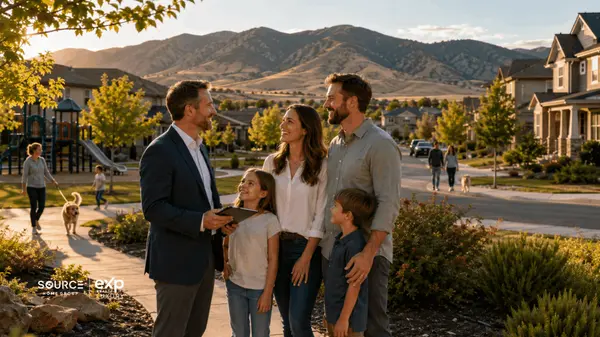
A few months ago, I sat across the table from a couple relocating from Austin. They'd spent two weeks touring neighborhoods across the Denver metro and kept circling back to the same question: is Littleton, Colorado a good place to live, or does it just look good on paper? After helping dozens of families land in Littleton over the years, I gave them the same answer I give everyone: it depends on what you're looking for, but for the right buyer, Littleton is genuinely hard to beat.
Here's the honest, street-level breakdown from someone who works this market every week.
What Littleton Actually Feels Like to Live In
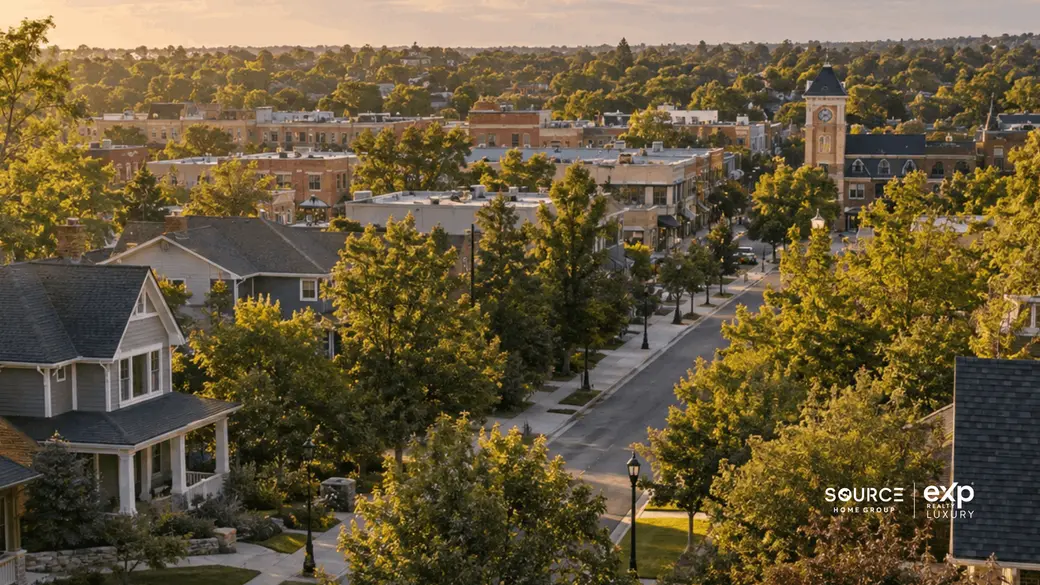
Littleton sits in the southwest corner of the Denver metro, bordered by Englewood to the north and Jefferson County open space to the west. It has its own walkable historic downtown along Main Street, which is something most Denver suburbs can't claim. Think local coffee shops, independent restaurants, and the Littleton Museum right on the South Platte River, all within a few blocks of each other.
The city has a genuine small-town feel without being isolated. You're about 12 miles from downtown Denver, and if you're commuting via the W or C light rail lines, you're looking at roughly 30 to 40 minutes into Union Station without touching I-25. For professionals working hybrid schedules, that's a very workable setup.
Schools, Families, and Neighborhood Stability
Littleton falls under Littleton Public Schools, one of the more respected districts in the metro. Arapahoe High School, Littleton High, and Heritage High each serve different pockets of the city, and families routinely tell me the district's consistency was a major factor in their decision. If you're moving with kids or planning to, this is a real asset.
The neighborhoods themselves tend to attract buyers who stay. Areas like Columbine Valley, Bow Mar, and the streets around Clement Park draw growing families who want space, good schools, and a backyard without leaving the metro area. Turnover is lower here than in some of the newer developments further south, which tells you something about how residents feel once they settle in.
Outdoor Access Is Genuinely Part of Daily Life
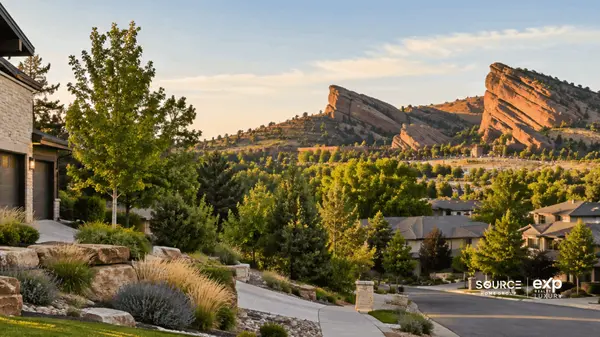
This isn't marketing language. Living in Littleton means Chatfield State Park is a realistic after-work option, not a weekend-only destination. The South Platte River Trail runs right through the city. Roxborough State Park is about 20 minutes southwest. If you're an active household, whether that means mountain biking, paddleboarding on Chatfield Reservoir, or running trails after work, the access here is practical and consistent.
Buyers coming from other parts of the country often underestimate this. It's not just that Colorado is outdoorsy in general. It's that in Littleton specifically, the trailheads and green space are woven into the neighborhoods in a way that makes them actually usable on a Tuesday evening.
What the Real Estate Market Looks Like Right Now
Littleton has a range of price points that I don't see talked about enough. You can find well-maintained 1970s and 1980s ranch homes in the $475,000 to $575,000 range in neighborhoods like Governor's Ranch and Columbine Knolls. Move into something updated with a mountain view and you're more likely in the $650,000 to $850,000 range. The luxury segment around Columbine Country Club and the custom builds near Ken Caryl can push well past $1 million.
What this means for relocators is that there's real inventory variety here. Littleton isn't a one-tier market. Depending on your household size, commute preferences, and budget, there are distinct sub-neighborhoods worth evaluating separately rather than treating Littleton as one single area.
Appreciation has been steady over the past several years, and the combination of the school district, outdoor access, and light rail connectivity gives Littleton a foundation that tends to hold value through market cycles better than some of the newer fringe suburbs.
The Honest Tradeoffs
No neighborhood rundown is complete without the tradeoffs. Littleton's older housing stock means some buyers will be looking at updates, especially in homes built before 1990. Kitchens, windows, and HVAC systems are the most common areas where buyers need to factor in budget beyond the purchase price.
Traffic on Wadsworth Boulevard and Santa Fe Drive during peak hours is real. If your office is in the Tech Center or downtown Denver, those commute windows matter and are worth mapping out during your visit. And while the light rail is convenient for downtown trips, it doesn't serve every corner of the city equally.
None of these are dealbreakers for most buyers, but they're worth knowing before you fall in love with a specific address.
Should You Buy in Littleton?
For relocators who want a grounded, established community with real outdoor access, a respected school district, and a genuine downtown, Littleton consistently earns its reputation. It's not the flashiest neighborhood in the metro, and it doesn't try to be. What it offers is consistency, livability, and a quality of life that residents tend to protect and stay for.
If you're actively evaluating Littleton as part of a Colorado relocation, I'd rather spend an hour showing you the specific streets that match your priorities than have you rely on a zip code search. The difference between the right block and the wrong one in Littleton is significant, and that's exactly the kind of local knowledge I can put to work for you.
Reach out directly and we'll put together a tour that actually answers your questions.
Cody Walker | Local real estate expert for Lakewood, Littleton, Denver (Denver Metro Area)
(970) 528-0604
cody@sourceofhome.com
Categories
Recent Posts