Home Inspection Colorado: What First-Time Buyers Should Actually Expect

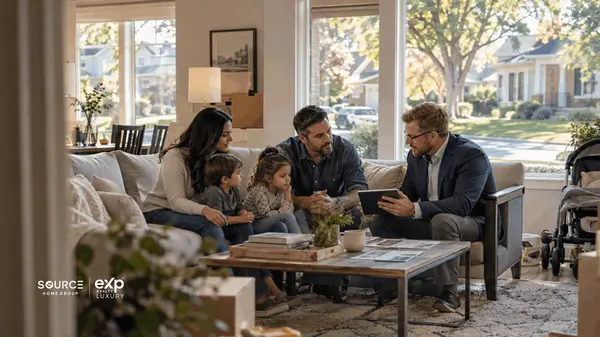
I had clients last spring who were under contract on a 1970s ranch home in Lakewood, just off Morrison Road near Bear Creek Lake Park. They were excited, a little nervous, and had no idea what was about to happen at their home inspection. Two hours later, they walked out with a 68-page report and a lot of questions. That's pretty normal, and I want you to be better prepared than they were going in.
If you're buying your first home in the Denver metro area, here's a straightforward look at home inspection Colorado: what to expect, and how to use the process to your advantage.
What a Colorado Home Inspector Actually Does
A licensed Colorado home inspector does a visual assessment of the home's accessible systems and components. That includes the roof, foundation, electrical panel, plumbing, HVAC, windows, doors, insulation, and more. The inspection typically takes two to four hours depending on the home's size and age.
In Colorado, inspectors must be licensed through the DORA (Department of Regulatory Agencies). That matters because it sets a baseline for what they're required to check. Your inspector is not a contractor, so they're not providing repair bids. They're documenting current conditions and flagging concerns.
What Shows Up Most Often on Colorado Home Inspections
After working with buyers across Jefferson County, Lakewood, Littleton, and Denver, I've seen the same issues come up again and again. In older neighborhoods like Applewood or Westwood, you'll frequently see outdated electrical panels (Federal Pacific and Zinsco are common red flags), galvanized steel plumbing, and older HVAC systems. In newer builds near Solterra or Roxborough, you're more likely to see grading and drainage issues, especially after the heavy snowmelt seasons we get on the Front Range.
Colorado's dry climate also creates specific concerns. Soil expansion and contraction is a real issue here, which means foundation movement shows up in a lot of inspection reports. A crack in the drywall or a sticking door might be cosmetic, or it might point to something worth investigating further. Your inspector will help you understand the difference.
How to Attend and What to Ask
Show up for your inspection. I always tell my buyers to plan on being there for the full walk-through. You'll learn more in those two to three hours than you will reading the final report later at home.
Bring a notepad and ask questions freely. Ask the inspector to show you where the main water shutoff is. Ask about the age of the water heater and furnace. Ask what they'd prioritize if this were their own home. A good inspector will talk through their findings in plain language, and you'll leave with a real sense of the property's condition rather than just a document full of checkboxes.
The Colorado Inspection Objection Period
Colorado real estate contracts include an Inspection Objection Deadline, which is typically five to ten days after you go under contract. This is your window to review the inspection report and decide how to respond.
You have three basic options: accept the property as-is, terminate the contract (and get your earnest money back under the standard Colorado contract terms), or submit an Inspection Objection asking the seller to address specific items. As your agent, I help you figure out which items are worth negotiating and which ones are just the cost of owning an older home. Sellers in the Denver metro area are generally reasonable, but your leverage depends on the current market conditions for that specific neighborhood and price range.
Specialty Inspections Worth Considering in Colorado
The general home inspection is your starting point, not your finish line. Depending on what the inspector finds (or on the property type), I often recommend additional specialty inspections. Radon testing is one I consider essential in Colorado. Our state has some of the highest radon levels in the country, and mitigation systems are a straightforward fix if levels come back elevated.
For homes with older plumbing, a sewer scope is worth the extra $150 to $200. For homes in Green Mountain or Evergreen foothills areas, I also recommend a structural engineer review if the inspector notes any foundation concerns. Spending an extra few hundred dollars at this stage can save you from a much bigger surprise after closing.
What the Inspection Is Not
The inspection is not a list of demands. It's information. First-time buyers sometimes come out of an inspection feeling like the deal is falling apart because the report is long. A 60-page report on a 1960s Wheat Ridge bungalow is not unusual. Most of those items are standard wear and maintenance notes, not deal-breakers.
The inspection gives you the full picture so you can make a confident, informed decision about one of the largest purchases of your life. That's the point. Whether you move forward, negotiate, or walk away, you're doing it with real information rather than assumptions.
If you're getting ready to write an offer or you're already under contract and want to talk through what to expect at your inspection, I'm happy to walk you through it. I've been through hundreds of these across Lakewood, Littleton, Denver, and Jefferson County, and I know what to watch for in our specific neighborhoods and housing stock.
Cody Walker | Local real estate expert for Lakewood, Littleton, Denver (Denver Metro Area)
(970) 528-0604
cody@sourceofhome.com
Categories
Recent Posts