Highlands Ranch Neighborhoods: A Relocator's Guide to Where to Buy and Why
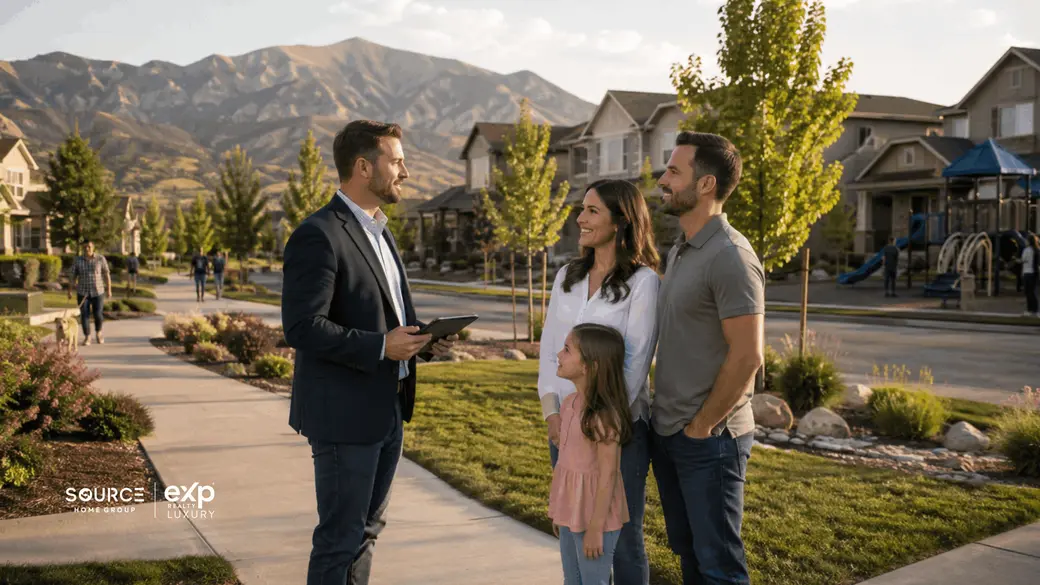
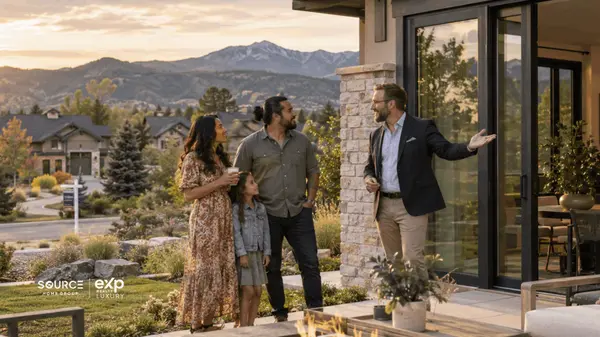
A few months ago, I sat across from a family at a coffee shop in Littleton. They had flown in from Austin, had three days to tour homes, and kept asking me the same question: "Which part of Highlands Ranch is actually right for us?" They had done their research online, but nothing they found explained the real differences between one village and the next. That conversation is exactly why I wrote this guide.
Highlands Ranch is not one neighborhood. It is a master-planned community of roughly 100,000 people spread across Douglas County, divided into dozens of villages with distinct personalities, price points, and proximity to the things that matter most to your daily life. If you are relocating to Colorado and targeting the south metro, here is what I tell every client before we ever open a door.
Understanding How Highlands Ranch Neighborhoods Are Organized
The community sits south of C-470 and is loosely organized around four recreation centers operated by the Highlands Ranch Community Association. Your HOA dues give you access to all four: Eastridge, Westridge, Northridge, and Southridge. Each recreation center anchors a general quadrant of the community, and the villages near each one tend to share a similar feel.
The HRCA amenity system is genuinely one of the strongest selling points for relocators. Indoor pools, fitness facilities, sports courts, and miles of open space trails are maintained at a level you rarely see in suburban communities. When I show this to buyers from out of state, it consistently surprises them.
The Northwest Villages: Proximity and Convenience
Villages like Firelight, Eastridge, and Highlands Ranch Town Center sit closest to C-470 and University Boulevard. For relocators who will be commuting into Denver or Lone Tree, this quadrant offers the shortest drive times. You can reach the Denver Tech Center in roughly 20 to 25 minutes without traffic, and light rail at Lincoln Station in Lone Tree is a realistic option.
Homes here tend to be from the late 1990s through mid-2000s, with larger lots than you will find in newer sections. Prices vary widely but expect most single-family homes to fall between $600,000 and $850,000 depending on size and finishes. Grocery runs, school pickups, and weekend errands are genuinely easy from this part of Highlands Ranch.
Highlands ranch neighborhoods in the Southwest: Newer Builds and Open Space
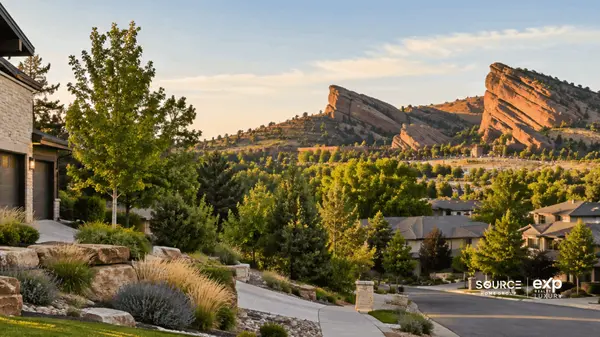
If you want newer construction or recently updated homes, the villages around Westridge and Southridge are worth your attention. Areas like Highlands Ranch Filing 122, Sandbur, and villages near Wildcat Mountain tend to attract buyers who want a more suburban feel with direct trail access to the Backcountry Wilderness Area.
The Backcountry is a preserved open space of over 8,000 acres that sits directly adjacent to the southwest corner of the community. Trails connect neighborhoods to canyon views, wildlife, and a dedicated amenity center called Sundial House. For outdoor-focused families, this area is hard to beat. Homes here often carry a premium, with many listings starting above $700,000 and climbing well past $1 million for larger properties backing to open space.
Schools and What They Actually Mean for Your Search
Nearly all of Highlands Ranch feeds into Douglas County School District, which consistently ranks among the top districts in Colorado. Specific schools that serve the area include Mountain Vista High School and Highlands Ranch High School, both of which draw strong academic and athletic reputations.
What I tell relocating families is this: your assigned school matters less than the overall district quality here. Douglas County is well-funded and well-run by Colorado standards. That said, if a specific elementary or middle school matters to you, I always map your target schools first and then work backward to identify which villages fall within those boundaries. This step alone has saved clients from falling in love with a home that would have required a transfer request.
What to Expect on Price and Competition
Highlands Ranch sits in a price band that attracts serious buyers. As of mid-2025, most move-in-ready single-family homes are priced between $575,000 and $950,000, with well-located properties on larger lots or backing to open space moving faster and closer to list price.
Townhomes and paired homes in the community offer a lower entry point, typically starting in the mid-$400,000s, and are popular with buyers who want the HRCA amenities without the maintenance that comes with a larger yard. For relocators on a tighter timeline, these properties can also offer a faster path to closing because the seller pool is larger.
One pattern I have seen repeatedly: buyers who research Highlands Ranch online often arrive expecting a discount compared to Lakewood or Denver proper. The reality is that Douglas County's reputation for schools, safety, and infrastructure commands prices that reflect genuine demand. Knowing this before you tour saves a lot of frustration.
Making the Right Move Before You Relocate
The best thing a relocating buyer can do before visiting Highlands Ranch is to get clear on three things: commute destination, school priorities, and lifestyle preferences around walkability versus open space access. Once I know those three things, I can narrow down the villages worth your time from about thirty to about five.
If you are planning a Colorado relocation and want a straight conversation about which Highlands Ranch neighborhoods actually fit your situation, reach out before your trip. A thirty-minute call can save you from spending a full day touring homes in the wrong part of town.
Cody Walker | Local real estate expert for Lakewood, Littleton, Denver (Denver Metro Area)
(970) 528-0604
cody@sourceofhome.com
Categories
Recent Posts